Brownville’s expert 4×4 suspension specialists share their insights on optimizing fleet management efficiency. This comprehensive guide explores practical tips, strategies, and best practices tailored for off-road fleets, covering everything from vehicle preparation to operational workflows, aimed at reducing costs, minimizing downtime, and maximizing performance in challenging terrain.
Tips From Brownsville’s Overland 4×4 Suspension Specialists: A Comprehensive Guide
I. Understanding the Unique Challenges of Off-Road Fleet Management
Off-road fleet operations present distinct challenges that require specialized knowledge and equipment. Tips from Brownsville’s overland 4×4 suspension specialists highlight the importance of preparing vehicles for harsh environments, implementing efficient maintenance routines, and adopting innovative technologies to ensure safe and cost-effective operations.
A. The Demands of Extreme Terrain
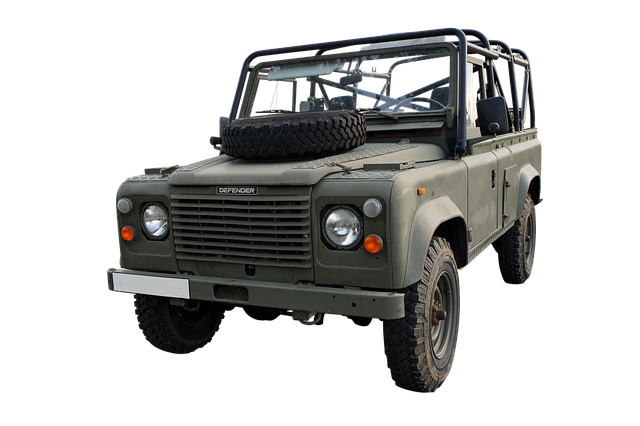
From rocky trails to muddy rivers, off-road driving demands robust vehicle setups and reliable components. Specialists emphasize the need for:
- Sturdy Suspension Systems: Customized 4×4 suspension systems designed for maximum shock absorption and control in uneven terrain are crucial.
- Tough Tires and Wheels: Durable tires with appropriate tread patterns and reinforced wheels withstand punctures and provide better grip.
- Enhanced Braking Systems: Powerful braking mechanisms ensure controlled descents and sudden stops, enhancing safety in challenging conditions.
B. Routine Maintenance for Maximum Uptime
Regular maintenance is vital to prevent breakdowns and prolong vehicle lifespan in demanding off-road conditions:
- Fluid Checks: Regularly inspect and top up engine oils, differentials, and power steering fluids to ensure optimal performance and protect against wear.
- Tire Rotation: Rotate tires frequently to ensure even wear patterns, maximizing tire life and maintaining traction.
- Filter Changes: Replace air, fuel, and cabin filters according to manufacturer recommendations to maintain efficient engine operation and passenger comfort.
II. Optimizing Fleet Operations for Efficiency
Brownville’s specialists offer strategic insights to streamline fleet management:
A. Implementing a Comprehensive Vehicle Tracking System
Real-time tracking provides invaluable data on vehicle location, speed, and performance metrics. This technology allows managers to:
- Monitor Driver Behavior: Identify safe driving practices and areas for improvement, potentially reducing fuel consumption and accident risks.
- Optimize Routes: Plan efficient routes based on terrain difficulty, saving time and minimizing wear on vehicles.
- Detect Maintenance Needs: Track mileage and performance indicators to anticipate service requirements, scheduling proactive maintenance for reduced downtime.
B. Utilizing Telematics for Data-Driven Decisions
Telematics devices gather data from sensors within the vehicle, offering valuable insights into:
- Fuel Consumption Patterns: Identify inefficient driving habits and implement training programs to promote eco-conscious practices among drivers.
- Engine Performance: Detect early signs of mechanical issues, enabling proactive repairs before they escalate into costly breakdowns.
- Load Optimization: Analyze payload distribution for improved weight management, enhancing fuel efficiency and safety.
III. Enhancing Safety in Off-Road Operations
Safety is paramount in off-road fleet management. Tips from Brownsville’s specialists focus on:
A. Comprehensive Driver Training Programs
Well-trained drivers are the cornerstone of a safe fleet. Programs should cover:
- Off-Road Techniques: Teaching drivers specialized skills for navigating rocky paths, steep inclines, and low-visibility conditions.
- Emergency Response: Preparing drivers to handle breakdowns, mechanical failures, and unexpected situations in remote locations.
- Vehicle Inspection: Equipping drivers with knowledge of pre-trip inspections to identify potential safety hazards.
B. Investing in Advanced Safety Features
Modern technologies significantly enhance driver safety:
- GPS Tracking and Communication Systems: Enable rapid response to emergencies, providing critical data on vehicle location and driver status.
- Automatic Braking and Lane Departure Warnings: Reduce the risk of collisions by alerting drivers to potential hazards.
- Blind Spot Monitoring: Improves visibility around the vehicle, minimizing blind zone accidents.
IV. Cost Savings Strategies for Off-Road Fleets
Brownville’s specialists offer strategies to minimize operational costs:
A. Efficient Fuel Consumption Practices
Implementing fuel-saving measures can significantly reduce expenses:
- Idling Reduction: Minimize idle time, as it wastes fuel and contributes to engine wear.
- Eco-Driving Training: Train drivers on smooth braking, gradual acceleration, and optimized speed, leading to better fuel economy.
- Regular Tire Maintenance: Keep tire pressure optimal for improved fuel efficiency and reduced rolling resistance.
B. Strategic Fleet Replacement and Upgrades
Replace aging vehicles with modern models featuring advanced safety features and fuel-efficient engines. Upgrade existing vehicles with performance enhancements, such as upgraded suspension systems, when necessary:
- Lifecycle Cost Analysis: Consider the total cost of ownership when evaluating vehicle replacements to make informed decisions.
- Lease or Buy Options: Explore flexible financing options tailored to your fleet’s needs and budget constraints.
Frequently Asked Questions
-
Q: How often should I have my off-road vehicle serviced for optimal performance?
A: Off-road vehicles require more frequent service compared to on-road counterparts due to the demanding nature of their operations. Aim for bi-monthly inspections and services, or as recommended by the manufacturer, focusing on critical components like suspension, brakes, tires, and fluids.
-
Q: Are there specific types of tires best suited for off-roading?
A: Yes, all-terrain (AT) tires are designed for a combination of on and off-road use, offering better traction and durability than standard road tires. For extreme off-road conditions, consider mud terrain or rock-crawling tires with aggressive tread patterns optimized for specific challenges.
-
Q: What role does technology play in modern off-road fleet management?
A: Technology is crucial for optimizing operations, enhancing safety, and reducing costs. GPS tracking, telematics, driver training apps, and advanced diagnostic tools empower fleet managers to make data-driven decisions, improve driver performance, and proactively address maintenance needs.
-
Q: How can I minimize downtime due to mechanical failures in off-road fleets?
A: Regular preventive maintenance is key to minimizing unexpected breakdowns. Implement a structured service schedule, utilize reliable aftermarket parts, and invest in quality vehicle setup and calibration from experienced specialists like Brownsville’s 4×4 suspension experts.
Conclusion
Optimizing fleet management efficiency in the off-road sector demands a comprehensive approach that combines specialized knowledge, advanced technology, and strategic planning. Tips From Brownsville’s overland 4×4 Suspension Specialists offer valuable insights tailored to these unique challenges. By implementing their recommendations on vehicle preparation, operational workflows, safety protocols, and cost-saving measures, fleet managers can achieve significant improvements in performance, reliability, and profitability across diverse terrains.